Splash-and-Go or Soaking Stones for Japanese Knives: What Actually Works Better?
People love arguing about this online. Splash-and-go versus soaking stones. But here's the thing. Most of the debate is just noise. A soaking stone is exactly what it sounds like. You dunk it in water until the bubbles stop. That takes anywhere from ten minutes to half an hour depending on how thirsty the stone is. Splash-and-go stones? You spritz the surface, maybe give them a quick dip, and you're off. Convenience versus tradition. That's the trade. But the real question isn't which one is better. It's which one fits your actual life and your actual knives.
Hard Steel Doesn't Care About Your Routine
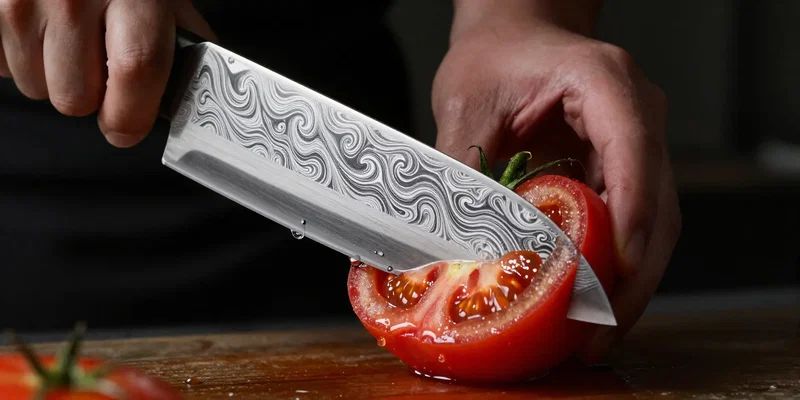
Japanese knives are usually harder. We're talking 60 to 66 on the Rockwell scale. That means the steel can take a keener edge, but it also means it's brittle. Chippy. You need abrasion that actually cuts the carbides without chewing up the edge geometry. Soaking stones tend to be softer, they release abrasive slurry, and that mud polishes as it grinds. Splash-and-go stones are often harder, denser, more ceramic. Faster cutting. Less mess. But sometimes that hard feel can skate on hard steel if you're not paying attention. And nobody wants a chipped edge because the stone feedback felt weird.
Splash-and-Go Stones: Convenient, But There's a Catch
Let's be real. Splash-and-go stones are perfect if you sharpen at midnight and realize you forgot to soak anything. They're low maintenance. They stay flat longer. And for busy line cooks or home cooks who just need to touch up an edge before dinner, they're gold. But. And this is a big but. They don't always give you that creamy, muddy feedback that tells your fingers exactly where the bevel is meeting the stone. It's like driving an automatic. Great for commuting. Less engaging for the backroads.
Soaking Stones: Slower Start, Better Feedback?
There's something almost ritualistic about it. You drop the stone in the tub. You wait. You come back. The whole process forces you to slow down. And honestly? That's not a bug, it's a feature. Soaking stones generally dish faster, which is annoying. You need to flatten them more often. But the slurry they generate acts like a micro-polishing buffer between your knife and the raw abrasive. For single-bevel yanagibas or hard carbon steel, that feedback matters. You feel the edge. The stone talks back. Some people hate waiting. I get it. But if you're chasing mirror finishes or working on expensive Japanese blades, the wait pays off.
What Actually Works Better? (Spoiler: It's Both)
Here's where I land. If you only have one stone and one Japanese knife, grab a solid splash-and-go in the 1k to 3k range. It'll handle 90% of your needs without the drama. But if you're building a progression? Mix them. Use a soaking stone for your foundation work, that initial bevel setting where feel matters. Then jump to a splash-and-go for the higher grit polishing stages where you just want to refine and get back to cooking. Japanese knives reward intention, not loyalty to one brand or one soaking philosophy. Stop reading forums and start sharpening. You'll figure out what your hands prefer within a week.