Why Your Soy Candle Has No Hot Throw and 7 Ways to Improve It
Picture this: you dropped thirty bucks on a fancy soy candle. You light it up. An hour later, you lean in and take a deep sniff. And you get... nothing. Maybe a faint hint of vanilla if you practically stick your nose in the wax. But that's it. No hot throw. Nada. Your candle has officially failed its one job. And honestly? It happens to the best of us. Soy wax is notoriously picky. It holds fragrance like a tightfisted miser, and if you mess up even one variable—wax-to-oil ratio, wick size, pour temp—the whole thing falls flat. But here's the thing: a weak scent throw isn't a life sentence. It's usually just a sign that something in your process needs a tweak. Most of the time, the fix is simpler than you'd think.
Your Wax-to-Fragrance Ratio Is Off
Let's start with the obvious. If you're skimping on the fragrance oil, your candle never stood a chance. Soy wax can generally hold between 6% and 10% fragrance load. Less than that? You're basically burning unscented wax. But—and this is a big but—more isn't always better. Crank that percentage up past the wax's limits, and the oil won't bind properly. It'll seep out, cause weird oily spots, and sometimes even kill the flame. You have to find the sweet spot. Most seasoned chandlers swear by 8% to 9% for a solid hot throw without the mess. Weigh your ingredients. Don't eyeball it. Precision matters here. If you're just globbing oil in by the teaspoon, you're setting yourself up for disappointment.
The Wick Is Too Small (or Too Big)
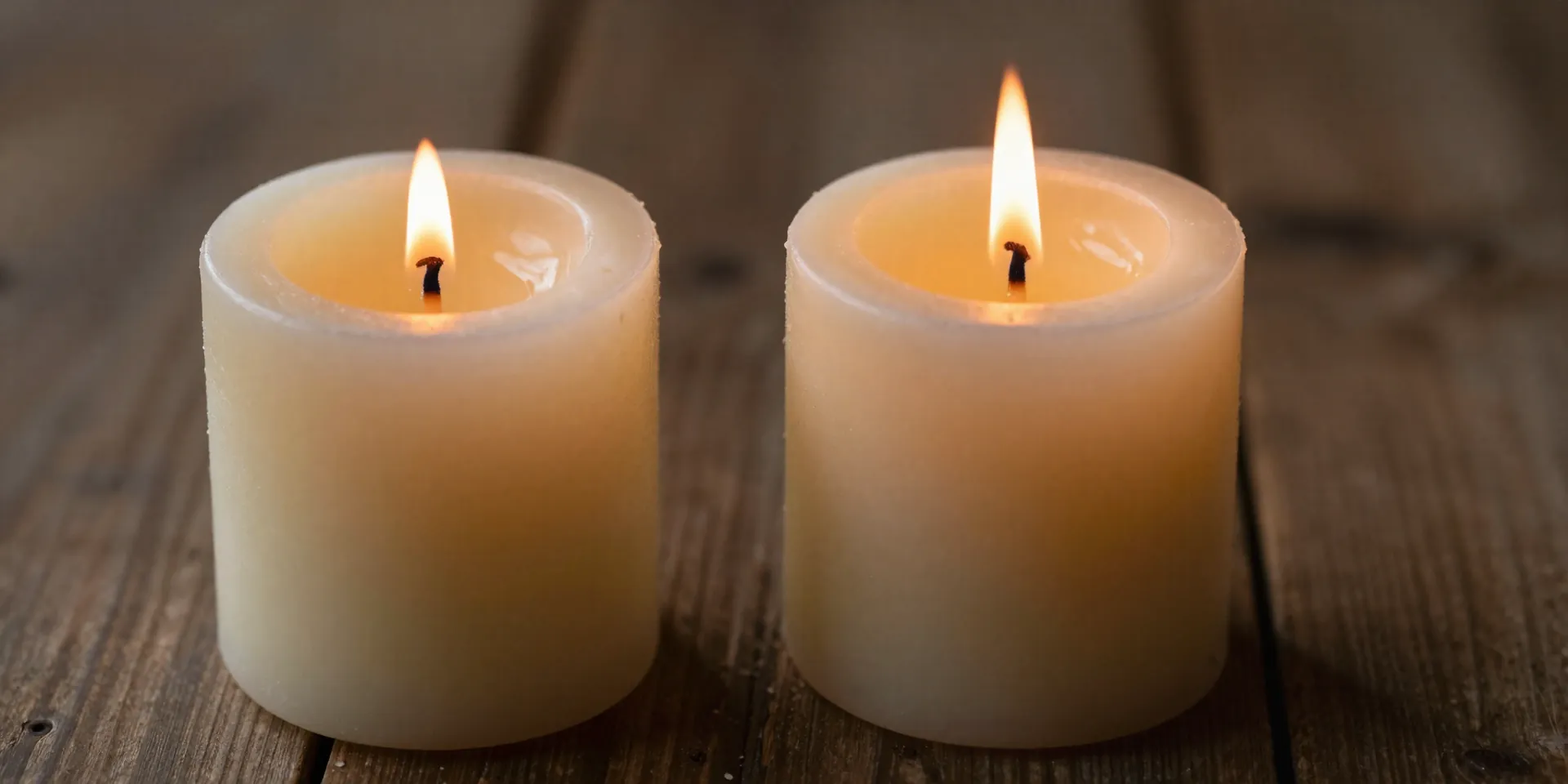
The wick is the engine of your candle. Too small, and the melt pool stays shallow. The wax never gets hot enough to throw scent. You'll get that dreaded tunneling effect where the middle burns down and the walls are left standing like a sad wax canyon. Too big, and you're over-burning the fragrance oil. It volatilizes too fast, goes up in smoke, and you're left with a scorched smell instead of that nice lavender you paid for. Match your wick to your jar diameter. A 3-inch jar doesn't need the same wick as a 4-inch one. Test, test, test. Burn a sample for three to four hours and check the melt pool. It should reach the edges within two to three hours. If it doesn't, size up. If it's drowning in liquid wax, size down. Simple as that.
You're Using the Wrong Fragrance Oil
Not all fragrance oils play nice with soy wax. Some are formulated specifically for parasoy blends or straight paraffin. They might smell amazing out of the bottle, but once they're trapped in soy? Silence. You need oils that are designed for soy candle use. Look for ones with good reviews from other soy chandlers. But there's another layer to this. Some scents are just lighter by nature. Citrus notes, for example, are highly volatile. They burn off fast. Heavy base notes like sandalwood or patchouli? Those stick around. If you're dead set on a light scent, consider blending it with a mid-note anchor to help it stick. And always check the flash point of your oil. If you add it to wax that's way hotter than the flash point, you're literally burning the scent away before it even hits the jar.
You Didn't Let It Cure Long Enough
This is where a lot of people mess up. You make a candle. You wait a day. You light it. And then you complain about the no hot throw. Soy wax needs time. The fragrance has to bind with the wax on a molecular level. That doesn't happen overnight. For soy, a cure time of one to two weeks is pretty standard. Some makers even wait three weeks for optimal performance. I know, it's annoying. You want instant gratification. But patience pays here. A candle burned after 24 hours will almost always smell weaker than the same candle burned after 14 days. The difference is night and day. So if you've got a batch that seems weak, put them on a shelf and forget about them for a bit. Your nose will thank you later.
Your Pour Temperature and Technique Need Work
Temperature control is everything in candle making. Pour too hot, and you get sinkholes, rough tops, and poor adhesion. Pour too cool, and the wax sets up before the fragrance can distribute evenly. For most soy waxes, you want to add your fragrance oil around 180 to 185 degrees Fahrenheit, then pour around 130 to 140. But always check your specific wax manufacturer's guidelines. They vary. And when you pour, do it slowly. Don't just dump it in. A rushed pour traps air bubbles and creates frosting. Frosting doesn't ruin the burn, but it looks ugly and it hints at poor temperature management. Which, by the way, can also mess with your scent throw. Keep a thermometer in your toolkit. Don't guess. Guessing is how you end up with a collection of pretty but useless candles.
The Container and Room Size Matter More Than You Think
Sometimes your candle is fine. Your nose is fine. But the room is just too big. A single 8-ounce soy candle isn't going to scent a vaulted living room with open hallways. It's not magic. Soy throws softer than paraffin. That's the trade-off for the cleaner burn. If you're trying to fill a large space, you need multiple candles. Or a bigger candle. Or both. And the container plays a role too. Wide-mouth jars let more wax surface area heat up, which helps with scent throw. Narrow jars? Not so much. If you're using a tin with a small opening, you're basically trapping the fragrance. Switch to a tumbler or an apothecary jar with a wider diameter. It makes a noticeable difference. And close your doors. Seriously. A drafty room with the AC blasting is going to carry your scent away before you even get a chance to smell it.
Try These Quick Fixes Before You Chuck the Whole Batch
Alright, so you've got a dud candle. Don't toss it yet. Try trimming the wick to a quarter inch before every burn. A long wick creates a big flame, which burns too hot and kills the scent. Use a wick trimmer. Scissors are awkward and you never get it even. Also, make sure you're burning long enough. The first burn is crucial. Let it go until the melt pool hits the edge. If you blow it out too soon, you set the memory ring, and it'll tunnel forever. If your candle is already tunneled, wrap the top in foil for a couple of hours. It'll even out the melt pool. And if all else fails, stick it in a smaller room. A bathroom or a bedroom. Sometimes a "weak" candle is just in the wrong place. Finally, consider blending a booster scent. A few drops of a stronger essential oil on the surface can revive a fading candle. It's not a perfect science. But it beats throwing money in the trash.