25 Kitchen Scraps Your Compost Worms Will Actually Love
Throw an apple core in your bin. Come back in three days. It's gone. That's the magic of giving your worms the right kitchen scraps for worms. Red wigglers go absolutely wild for fruit-based compost worm food. Banana peels? They're like candy. Watermelon rinds? A buffet. Berries, mango skins, pear cores, cantaloupe guts—they'll tear through all of it. But here's the thing. You can't just dump a whole pineapple top in there and call it a day. Cut it up. The smaller the pieces, the faster the microbes move in. And the worms eat the microbes. Not the scraps themselves. Mind blown, right?
Veggie Drawer Leftovers They Actually Crave
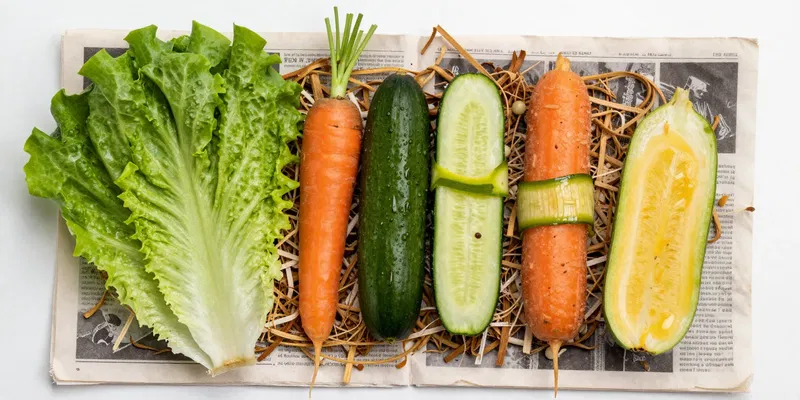
Your worms aren't vegans, but they might as well be. Vegetable vermicomposting scraps are where it's at. Think about the stuff slowly dying in your crisper right now. Soft lettuce. That half-eaten cucumber. Pumpkin guts after Halloween. Carrot tops. Potato peels. Celery ends. They want it all. Squash seeds? Surprisingly popular. Corn cobs even work, though they take forever. Just avoid the salty, oily, or heavily spiced stuff. Worms don't have taste buds. But oily residue suffocates them. So keep it plain. Keep it fresh. And watch them work.
Pantry Scraps That Pack a Punch
Coffee drinkers, rejoice. Your used grounds are basically worm rocket fuel. Rich in nitrogen. Gritty texture. They love it. Same with tea bags—just rip out the staple first. Crushed eggshells? Non-negotiable. They add grit for the worms' gizzards and help balance acidity. Plain oatmeal, stale bread torn into bits, even old cornmeal. These dry additions soak up excess moisture and keep your indoor worm feeding routine from getting swampy. But don't go crazy with grains. Too much and you'll get a fuzzy mold situation. A little goes a long way.
Stop. Do Not Put This in There.
I know. You want to toss the whole plate in. But meat and dairy? That's a one-way ticket to maggot town. And not the good kind. Citrus and onions are acidic. Worms hate acid. It burns their skin. Literally. Oils, salad dressings, anything spicy—these create anaerobic pockets. Your bin will smell like a sewer. Your roommate will hate you. Your worms will bail. Or die. So stick to the safe kitchen scraps for worms. It's not hard. It's just... discipline.
How to Feed Without Starting a Science Project
So you've got your scraps. Now what? Bury them. Always bury them. About an inch or two under the bedding. Shredded newspaper, cardboard, coconut coir—whatever you're using as a blanket. This keeps fruit flies away and traps the smell. Feed in a different spot each time. Let the worms migrate to the new compost worm food. If you're doing indoor worm feeding, check the bin weekly. If there's still food from last time, wait. Overfeeding is the number one beginner mistake. The bin shouldn't look like a landfill. It should look like a busy underground diner.
The Payoff Is Black Gold
Do this right. Feed them the good stuff. Avoid the bad. In a few months, you'll open that bin and find the most beautiful, dark, crumbly soil amendment you've ever seen. No synthetic fertilizer comes close. Your houseplants will perk up. Your garden will explode. And you'll wonder why you ever threw those scraps in the trash. Worms don't ask for much. Just the right vermicomposting scraps and a little patience.