Bat vs Wheel Head: What New Potters Should Use First?
You unboxed your shiny new wheel. You watched a few YouTube videos. And now you're standing there holding a lump of clay, staring at that flat metal disc like it's going to bite you. Do you slap the clay right on the wheel head? Or hunt down a bat? Most beginners don't even know what a bat is. I didn't. I just thought it was something you hit a baseball with. But pottery bats are just flat discs—usually wood or plastic—that sit on top of the wheel head. They let you lift your pot off without touching it. Sounds perfect, right? Not so fast.
Go Naked: Throwing on the Wheel Head
This is the old-school way. No middleman. Just you, the clay, and the metal. Throwing directly on the wheel head forces you to learn how to center clay for real. No crutches. You have to wire-cut your piece off when you're done, which is terrifying the first dozen times. But here's the thing: you feel everything. Every wobble. Every shift. That direct feedback teaches your hands what centered actually feels like. The downside? If you mess up a bowl, you can't just pop the whole thing off and start over without scraping everything down. And trimming? You usually have to flip it and stick it back on with clay coils or sticky pads. It's more work. More cleanup. But it builds fundamentals that stick with you.
Why Bats Are a Beginner's Best Friend
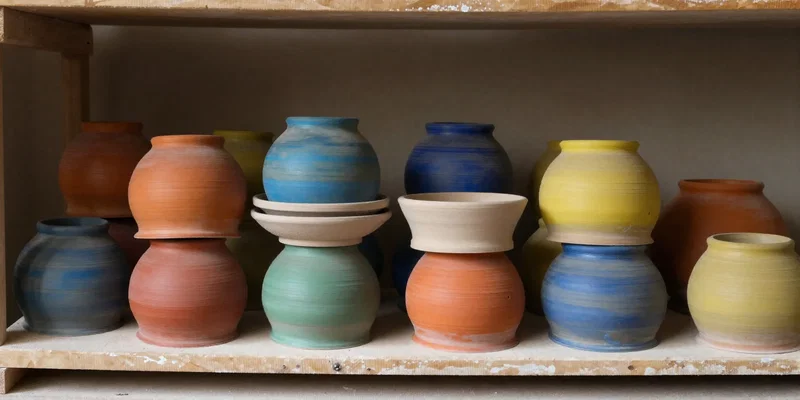
Bats are convenient as hell. You throw your piece, wire it off at the base, lift the whole bat, and walk away. Your pot dries slowly and evenly without you touching it. Got five mugs to make? Use five bats. Line them up like clay soldiers and let them dry while you keep throwing. For production work, they're unbeatable. Many bats have pin holes that lock into the wheel head so they don't fly off at high speed—though trust me, a loose bat launching across the room is a rite of passage. The problem? Bats add another layer between you and the wheel. They can warp. They can get soggy. And if you rely on them too early, you might never develop the confidence to throw directly on the wheel head.
Bat vs Wheel Head: Which Wins for Newbies?
Let's cut through the noise. Wheel heads are unforgiving. They make you better faster because they don't hide your mistakes. Bats protect your ego and your pots. If you're brand new and every piece you touch collapses, bats will save you hours of grief. You won't have to destroy a half-wet pot just to reclaim the wheel. But if you only ever use bats, you might find yourself terrified of that bare metal surface months later. And that's a weird phobia to have in pottery. My take? Start on the wheel head for your first few sessions. Suffer through it. Get the feel. Then grab a set of bats once your hands know what they're doing.
Your Wheel Setup Doesn't Need to Be Fancy
You don't need a $500 bat system to make good pots. A basic wheel setup for new potters is dead simple. A decent electric wheel, a splash pan that actually fits, a bucket of water, and maybe two or three bats if you want them. Don't overthink it. Some people throw exclusively on wheel heads their whole lives. Others bat everything from day one. There is no pottery police. The best setup is the one that gets you throwing instead of procrastinating. Clean your wheel head after every session. Dry your bats flat so they don't warp into potato chips. And for god's sake, wear an apron. Clay water finds every gap.